
在那些空間裡畸零尷尬的角落中,找回擁抱 You Can Find an Embrace in Those Odd, Awkward Corners of Space
- Darrell Tseng
- Dec 12, 2025
- 4 min read

在當代的室內設計顯學裡,我們似乎總是對「開闊」有著近乎偏執的追求。我們敲掉隔間、追求LDK一體化(客餐廚開放式設計)、渴望落地窗引進的光線能穿透每一個陰暗處。然而,你是否注意過一個有趣的現象?當我們終於擁有了一個大氣敞亮的客廳,到了夜晚,我們身體最誠實的渴望,往往不是站在客廳正中央,而是蜷縮在沙發最靠牆的那一端。
這就是那些被設計師稱為「畸零地」或「尷尬角落」存在的意義。
這句話聽起來或許有些矛盾,但尷尬的小角落其實充滿了各種可能,是我們營造親密感與情趣的好地方。孩子和寵物最懂這一點了,他們總是第一個發現並佔據這些舒適又溫馨的空間。
這並非純粹的巧合,而是深植於基因裡的生存本能。演化心理學中有一個著名的**「瞭望與庇護理論」(Prospect and Refuge Theory)。英國地理學家 Jay Appleton 指出,人類最感舒適的環境,是能夠「看見外界(Prospect)」同時「感覺被遮蔽保護(Refuge)」的空間。這解釋了為什麼貓咪總喜歡鑽進紙箱,為什麼孩子們喜歡用棉被搭起秘密基地,或者躲在樓梯下方的三角空間裡竊竊私語。
那些在建築圖紙上看起來難以利用的轉角、樑柱下的凹槽,甚至是窗邊那一點點內縮的空間,恰恰提供了最強烈的「庇護感」。
在這些角落裡,空間尺度的壓縮帶來了心理距離的拉近。因為空間有限,它容不下社交的客套與距離,只容得下最親密的關係——或是你與愛人,或是你與自己。在這裡,我們不需要挺直腰桿做人,我們可以癱軟、可以發呆。光影在這裡通常會變得曖昧,而曖昧正是滋養情趣的土壤。
我們常誤以為完美的家應該是沒有死角的,每一寸都要被照亮、被利用、被收納填滿。但哲學上來說,「無用」之處,往往才是靈魂得以棲息的地方。 如果家裡的每一個角落都充滿了功能性(這裡是吃飯的、那是工作的),我們就活得太像是一個不停運轉的齒輪了。
我們需要一個角落,是什麼都不做的。
試著觀察你家裡的貓,或是那個躲在衣櫃旁看繪本的孩子。他們教我們的,是對空間最原始的信任。或許,我們該做的不是急著用櫃體把那個尷尬的角落填平,而是放一張單人椅,或僅僅是一盞落地燈。保留那個角落的「尷尬」,因為那份不完美與窄小,正是家最溫柔的擁抱。
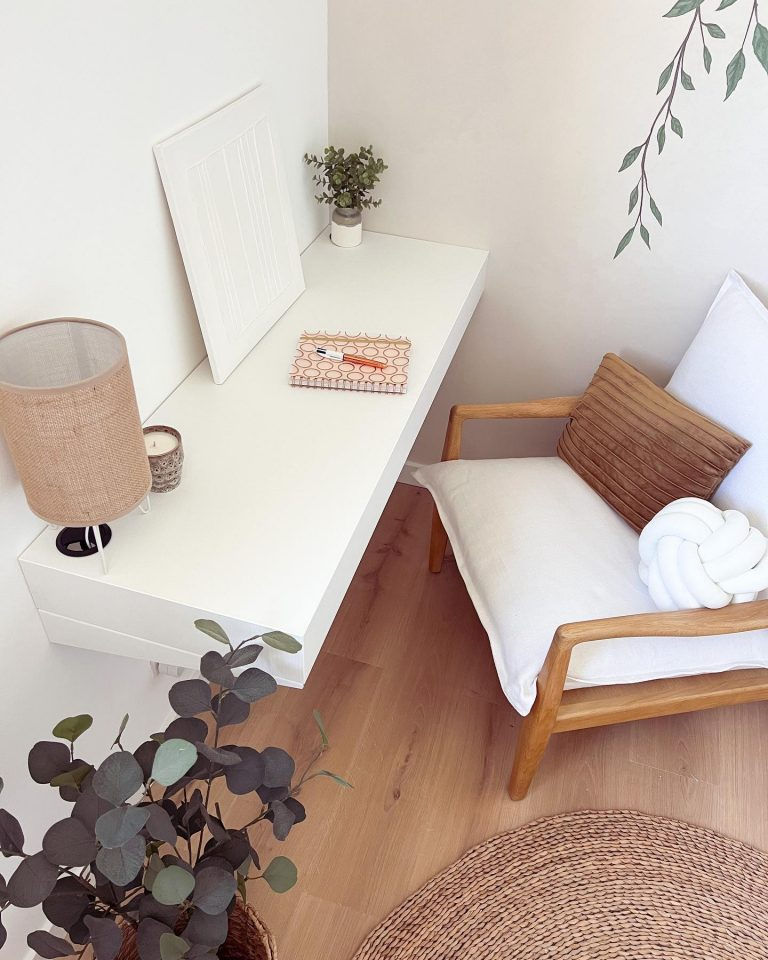
In the contemporary philosophy of interior design, we seem to have a near-obsessive pursuit of "openness." We knock down partitions, crave the seamless LDK (Living-Dining-Kitchen) layout, and yearn for sunlight from floor-to-ceiling windows to penetrate every shadow. However, have you ever noticed an interesting phenomenon? When we finally possess a grand, airy living room, come nightfall, our body's most honest desire is often not to stand in the center of the expansive room, but to curl up at the far end of the sofa, tucked right against the wall.
This is the true significance of those spaces designers often label as "dead space" or "leftover areas."
It might sound a bit contradictory, but awkward little corners are actually full of possibilities; they are perfect places for fostering intimacy and mood. Children and pets understand this best—they are always the first to discover and occupy these cozy and warm spaces.
This is not a mere coincidence, but a survival instinct deeply rooted in our genes. There is a famous concept in evolutionary psychology known as the "Prospect and Refuge Theory." British geographer Jay Appleton pointed out that the environments humans find most comfortable are those where one can "see the outside (Prospect)" while simultaneously "feeling sheltered and protected (Refuge)." This explains why cats love burrowing into cardboard boxes, why children delight in building secret forts with blankets, and why we feel drawn to whisper secrets in the triangular space beneath the stairs.
Those turns that look difficult to utilize on architectural blueprints, the recesses under beams and columns, or even that slight setback by the window—these are the spots that provide precisely the strongest sense of "refuge."
In these corners, the compression of spatial scale brings about a narrowing of psychological distance. Because the space is limited, it cannot accommodate social pleasantries or formal distance; it holds room only for the most intimate relationships—either with a loved one or with yourself. Here, we don't need to stand tall or perform; we can collapse, we can zone out. The light and shadow here often become ambiguous, and ambiguity is the very soil where romance and emotional restoration flourish.
We often mistakenly believe a perfect home should have no dead angles, that every inch must be illuminated, utilized, and filled with storage. But philosophically speaking, the "useless" places are often where the soul truly resides. If every corner of the home is filled with functionality—"this is for eating," "that is for working"—we begin to live too much like constantly turning gears.
We need a corner for doing absolutely nothing.
Try observing your cat, or that child hiding by the wardrobe reading a picture book. What they teach us is a primal trust in space. Perhaps what we should do is not rush to level out that awkward corner with cabinetry, but simply place a single armchair, or just a solitary floor lamp. Preserve the "awkwardness" of that corner, because that imperfection and narrowness is exactly the gentlest embrace a home can offer.


Comments